
How Long Do Foreclosures Take in Tennessee?
If you are behind on your mortgage, one of the first questions you may have is:
“How long do I have before I lose my house?”
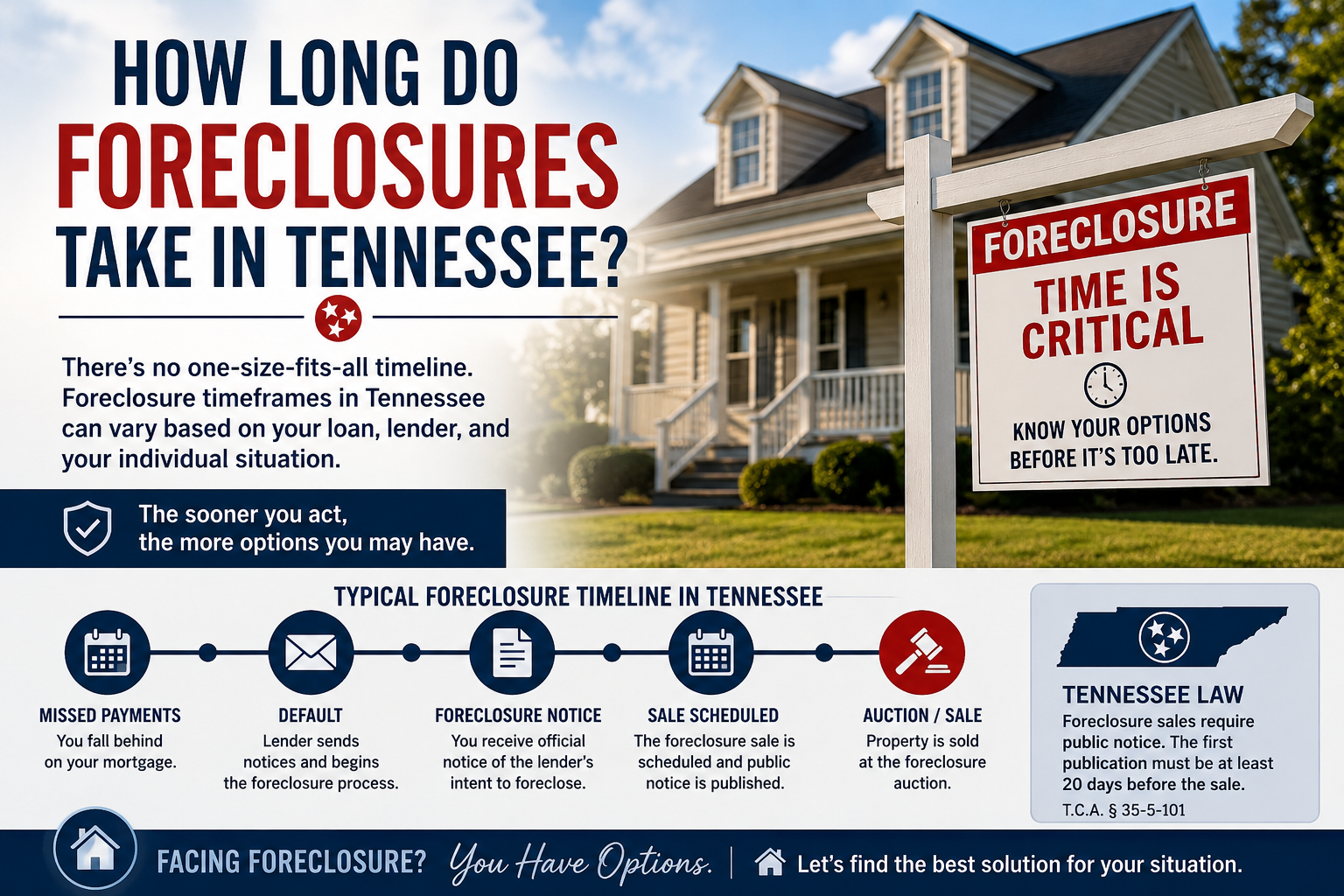
The answer depends on where you are in the foreclosure process. In Tennessee, there is no single timeline that applies to every foreclosure. A foreclosure can take weeks or months once the lender begins the formal process, and circumstances such as negotiations, loan modification applications, bankruptcy, litigation, or postponement of the foreclosure sale can change the timeline.
The important thing to understand is this:
Receiving a foreclosure notice does not necessarily mean you have to lose your home. But waiting until the last minute can dramatically reduce your options.
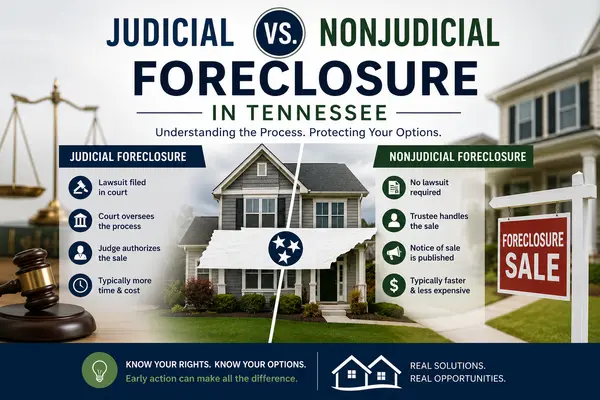
Tennessee Foreclosures Can Happen Without a Court Case
Tennessee commonly uses deeds of trust rather than traditional mortgages. A deed of trust can give a trustee the power to sell the property after a default without requiring the lender to first obtain a court judgment.
The Tennessee Comptroller explains that a lender using a deed of trust generally does not have to go through the court system to sell the home through foreclosure.
This is one reason homeowners should take foreclosure notices seriously.
A homeowner may not have a traditional lawsuit where they can simply wait for a court date before taking action.
So, How Long Does a Tennessee Foreclosure Take?
There isn't a guaranteed number of days from the first missed payment to the foreclosure sale.
Instead, think of foreclosure as a series of stages.
Stage 1: Missed Mortgage Payments
The process usually begins when a homeowner falls behind on the mortgage.
One missed payment does not automatically mean the house will immediately be sold at foreclosure.
The mortgage servicer may send delinquency notices and attempt to collect the overdue payments. The homeowner may have opportunities to bring the loan current, request assistance, or discuss loss-mitigation options.
This is often the best time to act.
The further a homeowner gets into the foreclosure process, the fewer options may remain.
Stage 2: Default and Foreclosure Proceedings
If the default is not resolved, the lender or servicer may begin the foreclosure process according to the loan documents and applicable Tennessee law.
The exact timing can vary.
Factors can include:
-
The terms of the mortgage or deed of trust
-
The amount of the delinquency
-
The lender's foreclosure procedures
-
Loss-mitigation applications
-
Loan modification negotiations
-
Bankruptcy
-
Legal disputes
-
Title issues
-
Required notices
-
Whether the foreclosure sale is postponed
Because of these variables, homeowners should not assume that they have a specific number of months simply because someone else went through foreclosure on a different timeline.
Stage 3: Notice of the Foreclosure Sale
Once a foreclosure sale is scheduled, Tennessee law establishes notice requirements.
Under Tennessee Code Annotated § 35-5-101, foreclosure sales generally require public notice, and the statute provides that the first publication must be at least 20 days before the sale. The law also addresses notice to the debtor and co-debtor.
However, the mortgage or deed of trust can contain additional or different contractual requirements, so homeowners should review their specific documents and foreclosure notice.
The key point is that once a foreclosure sale has been scheduled, the situation becomes much more urgent.
Stage 4: The Foreclosure Auction
At the scheduled foreclosure sale, the property may be sold to the successful bidder.
Tennessee law also allows certain foreclosure sales to be postponed or rescheduled under specified circumstances. For example, Tennessee's foreclosure-sale statutes address postponements and rescheduling of sales.
That means a scheduled sale date is extremely important, but homeowners should not assume that a postponement is automatic or that they can simply wait for another opportunity.
Can You Stop a Foreclosure in Tennessee?
Sometimes, yes.
The available options depend heavily on the homeowner's circumstances and how far the foreclosure has progressed.
Potential options can include:
1. Bring the Mortgage Current
If you have enough money to pay the required amount, you may be able to reinstate the loan by paying the past-due amount and eligible fees and costs.
This is one of the simplest solutions when the homeowner has access to sufficient funds.
2. Work With the Mortgage Servicer
Depending on the circumstances, homeowners may be able to discuss:
-
Loan modification
-
Repayment plans
-
Forbearance
-
Reinstatement
-
Other loss-mitigation programs
The sooner you contact the servicer, the more time you may have to explore these possibilities.
3. Sell the Property
If you have equity in your home, selling the property before foreclosure may allow you to pay off the mortgage and other liens from the proceeds.
This can be preferable to allowing the property to go through foreclosure because you remain in control of the sale rather than waiting for the foreclosure process to determine what happens to the property.
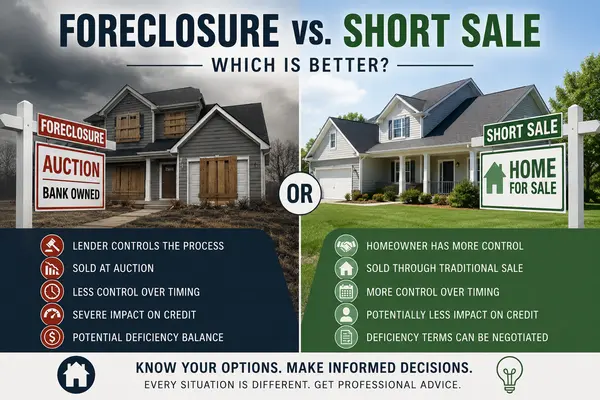
4. Consider a Short Sale
If you owe more than the property is worth, a traditional sale may not generate enough money to pay the mortgage in full.
In that situation, a short sale may be an option, subject to the lender or servicer's approval.
5. Explore Other Legal Options
Depending on your circumstances, an attorney or qualified housing professional may be able to help you evaluate additional options.
Bankruptcy, for example, can affect the foreclosure process, but it is a serious legal decision and should be discussed with a qualified bankruptcy attorney before you take action.
What If I Don't Have Enough Money to Bring the Mortgage Current?
This is where homeowners sometimes assume they have no options.
That isn't necessarily true.
If you cannot afford to bring the loan current, you may still have the ability to sell the property before the foreclosure sale.
For example, if the home has sufficient equity, selling it may allow the mortgage to be paid off and leave the homeowner with the remaining proceeds after closing costs and other obligations.
In some circumstances, a buyer may also be able to structure a transaction designed to address the existing mortgage and delinquency. However, these transactions can involve significant legal and financial considerations, including the terms of the existing loan and any applicable due-on-sale provisions.
Do not sign over your property simply because someone promises to “take over the payments.” Understand exactly how the transaction works before signing anything.
What If the Foreclosure Sale Is Already Scheduled?
If your home has already been scheduled for foreclosure, time is critical.
Don't assume you have months remaining.
You should immediately determine:
-
The exact date of the foreclosure sale
-
The current payoff amount
-
The amount required to reinstate the loan, if available
-
Whether the foreclosure sale can be postponed
-
Whether you have equity in the property
-
Whether selling the property before the sale is realistic
-
Whether you need legal advice
Getting an accurate picture of the situation is far better than guessing.
Don't Wait Until the Day Before the Auction
One of the biggest mistakes a homeowner can make is waiting until the foreclosure sale is only days away before trying to figure out what to do.
Selling a house takes time.
A buyer needs time to perform due diligence. Title issues may need to be resolved. The mortgage company needs to provide payoff information. Closing documents must be prepared. There may also be liens, judgments, taxes, HOA balances, or other issues that need to be addressed.
The earlier you start, the more options you potentially have.
Can I Sell My Tennessee House Before Foreclosure?
Yes, in many situations a homeowner can sell a property before a foreclosure sale.
The important question is whether the transaction can be completed in time and whether the sale proceeds are sufficient to satisfy the obligations against the property.
If you are considering selling, don't wait until the foreclosure auction is tomorrow.
Start by determining the property's current market value and comparing that with your mortgage payoff and other liens.
The Bottom Line
There is no universal Tennessee foreclosure timeline.
A homeowner can move from being behind on payments to a scheduled foreclosure sale through a process that varies depending on the circumstances.
Tennessee law establishes specific requirements for foreclosure sales, including advance notice of the sale, but the overall timeline depends on the particular loan, foreclosure procedure, notices, lender actions, and other circumstances.
If you are behind on your mortgage, don't wait for the foreclosure auction to become your deadline.
Your options may include bringing the loan current, negotiating with the mortgage servicer, selling the property, pursuing a short sale, or exploring other solutions appropriate to your situation.
The sooner you understand your numbers and your options, the more control you have over what happens next.
Need to Know What Your Options Are?
If you're a Tennessee homeowner facing foreclosure, the first step is to understand your situation:
How much do you owe?
How much is your home worth?
When is the foreclosure sale scheduled?
And what options are realistically available before that date?
Getting those answers early can make a significant difference.
This article is for general informational purposes and is not legal or financial advice. Tennessee foreclosure laws, loan documents, and individual circumstances can affect the foreclosure process. If you believe your legal rights are involved, consult a Tennessee-licensed attorney.
Categories
Recent Posts




GET MORE INFORMATION