
Tennessee Real Estate Market: How Inflation and Higher Rates are Shaping the Landscape
The Tennessee real estate market, especially in key areas like Nashville, Chattanooga, and throughout Middle Tennessee, has seen remarkable growth over the past decade. This has attracted homebuyers, investors, and sellers alike, eager to benefit from the state's economic growth, scenic surroundings, and relatively affordable living costs. However, with inflation rates still elevated and interest rates climbing, both buyers and sellers are facing new and unique challenges. Here’s an in-depth look at the current state of the market and how these economic factors impact potential real estate decisions.
The Current State of the Tennessee Real Estate Market
The demand for homes in Tennessee has been consistently high, driven by a mix of economic expansion, job growth, and population inflow. The growth hubs of Nashville and Chattanooga have emerged as some of the Southeast’s hottest real estate markets. Even as the national real estate market shows signs of cooling, Tennessee’s diverse and resilient market has helped it maintain its appeal. However, we’re seeing notable shifts in buyer behavior and seller expectations due to inflation and rising interest rates.
Inflation’s Impact on the Tennessee Market
With inflation affecting everything from gas to groceries, it’s no surprise that it’s also influencing real estate in several significant ways:
-
Increased Costs of Living and Maintenance: For homeowners, inflation increases the cost of maintaining a property. Everything from repairs to renovations is more expensive, impacting how much sellers can invest in preparing their homes for the market. Buyers may also factor in these increased costs when considering their budgets and may be more cautious about buying properties needing immediate repairs.
-
Higher Material Costs for New Construction: Builders are paying more for materials and labor, a reality that continues to impact new construction pricing. This affects inventory levels and often puts new homes at a higher price point, reducing affordable options for first-time homebuyers.
-
Rising Property Taxes: As property values have increased in recent years, so too have property taxes. This extra cost can be particularly challenging for buyers on a budget and existing homeowners who need to carefully manage their expenses.
How Higher Interest Rates are Shaping Buyer and Seller Decisions
Mortgage interest rates have more than doubled over the past two years, adding to the financial burden for buyers and influencing sellers to adjust their strategies. Here’s how:
-
Decreased Buying Power: With higher interest rates, buyers face larger monthly mortgage payments. This reduces the total price they can afford and may prompt many to reconsider purchasing altogether. First-time buyers, especially, may delay their plans or opt for more affordable areas to stay within their budget.
-
Slower Market for Sellers: Sellers used to seeing multiple offers within days of listing are now facing slower activity, with homes staying on the market longer. As a result, some sellers may need to be more flexible with pricing or offer incentives like covering part of the closing costs to attract buyers.
-
Shift Towards Fixed-Rate Mortgages: Many buyers now prefer fixed-rate mortgages, despite the higher initial interest rates, as a hedge against potential future rate increases. This trend emphasizes the importance of stability in uncertain economic times, though it can result in higher upfront costs.
Strategies for Buyers and Sellers in Today’s Market
Even with inflation and higher rates, there are opportunities and strategies for both buyers and sellers to consider:
-
For Buyers:
- Explore Mortgage Options: Look into various financing options and speak to lenders about what might work best for your situation. Some mortgage products may offer flexibility with interest rate buydowns or other cost-saving options.
- Be Prepared to Negotiate: With homes sitting on the market longer, buyers have more negotiating power. Don’t hesitate to negotiate on price or ask for seller contributions to help offset closing costs.
- Consider Long-Term Investment: Real estate remains one of the best long-term investments, even with rate fluctuations. Evaluate the home’s potential appreciation over time and how it fits with your long-term plans.
-
For Sellers:
- Price Strategically: It’s essential to understand the local market conditions and price accordingly. Homes that are competitively priced from the outset are more likely to attract buyers and result in successful sales.
- Highlight Energy-Efficient Features: With energy costs rising, features like energy-efficient windows, insulation, or smart thermostats can be attractive to buyers focused on long-term cost savings.
- Flexible Closing Terms: Offering incentives, like quick possession dates or help with closing costs, can make your property more attractive to potential buyers.
Navigating the Market with an Experienced Real Estate Agent
In times of economic uncertainty, having a knowledgeable real estate professional by your side is invaluable. An experienced agent familiar with the Tennessee market can guide you through the complexities of buying or selling in this environment, from understanding market trends to finding opportunities for savings.
Inflation and higher interest rates are indeed reshaping the real estate landscape, but with the right strategies and support, both buyers and sellers can still achieve their goals. The Tennessee market remains a solid choice for those looking to invest in or sell property, especially with the growth potential in cities like Nashville and Chattanooga.
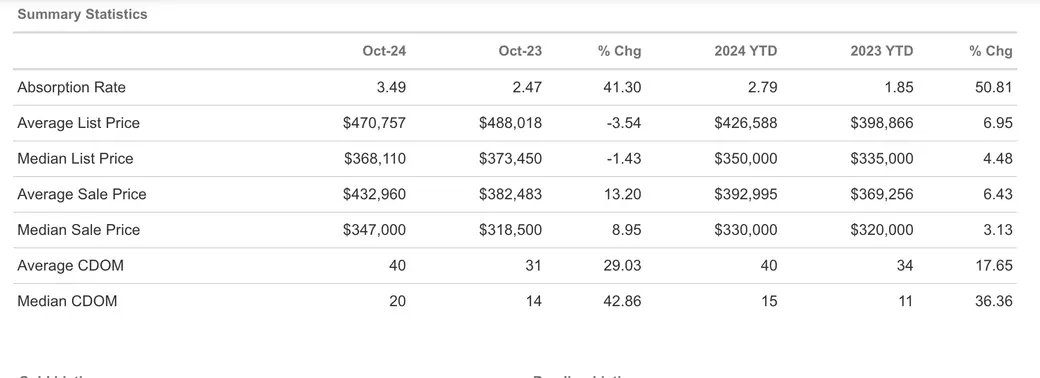
***Please note the market summary posted is just for Chattanooga, TN.
Categories
Recent Posts





GET MORE INFORMATION